Need a Healthcare Provider?
Looking for a healthcare provider with expertise in perimenopause and menopause? The Menopause Society offers a searchable directory to help you find a menopause-trained healthcare professional near you.
FAQ / Q&A
A gentle place to begin when you are looking for language, support, and next steps. These answers are educational and are not a substitute for medical care.
Questions & Answers
Perimenopause is the transition leading up to menopause. Hormone levels may shift during this time, and many women notice changes in their periods, sleep, mood, body temperature, energy, or focus.
Menopause is commonly defined as 12 consecutive months without a menstrual period, when it is not caused by another medical reason. Every woman's timing and experience can look different.
Yes. Many women notice symptoms during perimenopause while they are still having periods. Tracking changes can help you have a clearer conversation with a healthcare provider.
Common symptoms can include hot flashes, night sweats, sleep changes, mood shifts, brain fog, irregular periods, vaginal dryness, changes in libido, weight changes, joint discomfort, and fatigue. Symptoms vary from woman to woman, so it can help to track what you notice and talk with a healthcare provider.
The length of time varies for each woman and should be discussed with a healthcare provider. Hormone therapy decisions are usually based on symptoms, health history, age, risk factors, and treatment goals. Many providers recommend using the lowest effective dose for the shortest amount of time needed, with regular follow-up visits to reassess.
It depends. Women who still have a uterus are often prescribed progesterone along with estrogen to help protect the uterine lining. Women who have had a hysterectomy may not need progesterone. A healthcare provider can help determine what is appropriate based on personal health history.
It may be a good time to ask about testosterone if you are experiencing ongoing low desire, low energy, mood changes, or changes in strength that are affecting your quality of life. Testosterone is not the right option for everyone, so it should be discussed with a knowledgeable healthcare provider who can review symptoms, risks, benefits, and lab work if needed.
Every woman’s situation is unique. Hormone therapy may not be appropriate for everyone, especially some women with a history of breast cancer. Treatment decisions should always be made with your oncologist or healthcare provider based on your diagnosis, treatment history, and individual risk factors.
Helpful Resources
Looking for a healthcare provider with expertise in perimenopause and menopause? The Menopause Society offers a searchable directory to help you find a menopause-trained healthcare professional near you.
Knowledge is empowering. Explore these trusted books to better understand perimenopause, menopause, hormone health, and the latest research.

A science-based look at hormone therapy that explores the latest research on estrogen, menopause, and women's long-term health.
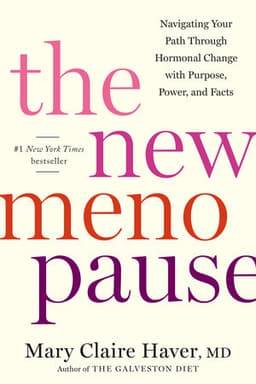
A comprehensive guide to understanding menopause, managing symptoms, and making informed decisions about your health.
The books and resources listed are provided for educational purposes only and do not represent an endorsement by It's a Pause...Not a Period. Always discuss medical questions and treatment options with your healthcare provider.
Menopause is a journey, not a destination. Continue learning, ask questions, and partner with a trusted healthcare provider to make informed decisions about your health. Remember—you don't have to go through it alone.
IPNP is for women navigating perimenopause, menopause, midlife wellness, and the emotional and physical changes that can come with this season.
No. You are welcome even if you only have questions, concerns, or a feeling that something is changing. IPNP creates space for learning, listening, and connection.
No. IPNP events are educational and community-based. They do not replace medical care, diagnosis, or treatment from a licensed healthcare provider.
We encourage participants to respect each other's privacy and experiences. While IPNP cannot guarantee confidentiality, we strive to create a safe, supportive, and respectful environment for every woman.
Visit the Events page to see upcoming gatherings, workshops, and community events. Registration details are listed on each event card when registration is open.
Yes. IPNP welcomes community partnerships for menopause education, women's ministry events, wellness gatherings, and supportive conversations.
The Resources page includes practical tools such as symptom tracking, appointment preparation, and conversation starters.
Yes. We encourage participants to bring their spouses or partners. It is important for loved ones to understand this new phase of life so they can provide support mentally, physically, and emotionally. Menopause is not a journey that women have to navigate alone. Through education, understanding, and open conversation, partners can become stronger sources of encouragement and support throughout the transition.
Care note
If symptoms are affecting sleep, work, relationships, mood, bleeding patterns, pain, or your sense of wellbeing, consider speaking with a trusted healthcare provider. You deserve to be heard and taken seriously.